Indian handicrafts and textiles: a sourcing guide for importers
The pieces every traveller sees in Jaipur, Agra, Varanasi or Kashmir: textiles, rugs, pashminas, ceramics, metal and wood. Where they are made, what to ask when you buy them, and which rules to watch when you import them.

By Vijay ChoudharyCo-founder & Partner, Customer relations · 6 min read
In short
From India you can import printed and woven textiles, rugs and dhurries, pashmina shawls, ceramics, brass and bronze, inlaid marble, carved wood and papier-mâché, among many other crafts. To buy well: get the fibre content and materials in writing, approve a sample, avoid products from protected species (such as shahtoosh or ivory), and check your market's rules for textile labels, ceramics for food, wood and rugs. We handle these products as sourcing requests: we tell you whether we can supply them before we quote.
What you can buy and where it is made
AI-generated illustrations of product types. Actual materials, designs and availability are confirmed during sourcing.
| Product | Where it is made | What to ask |
|---|---|---|
| Hand block-printed cotton | Sanganer and Bagru (Jaipur) | Natural or synthetic dyes, colour fastness, sizes |
| Bandhani (tie-dye) | Rajasthan, Gujarat | Fabric type, density of the ties |
| Banarasi silk | Varanasi | Pure silk or blend, real or imitation zari thread |
| Chikankari embroidery | Lucknow | Hand or machine embroidery, base fabric |
| Ikat | Gujarat (patola), Telangana (Pochampally) | Single or double ikat, fibre |
Textiles: illustrated examples
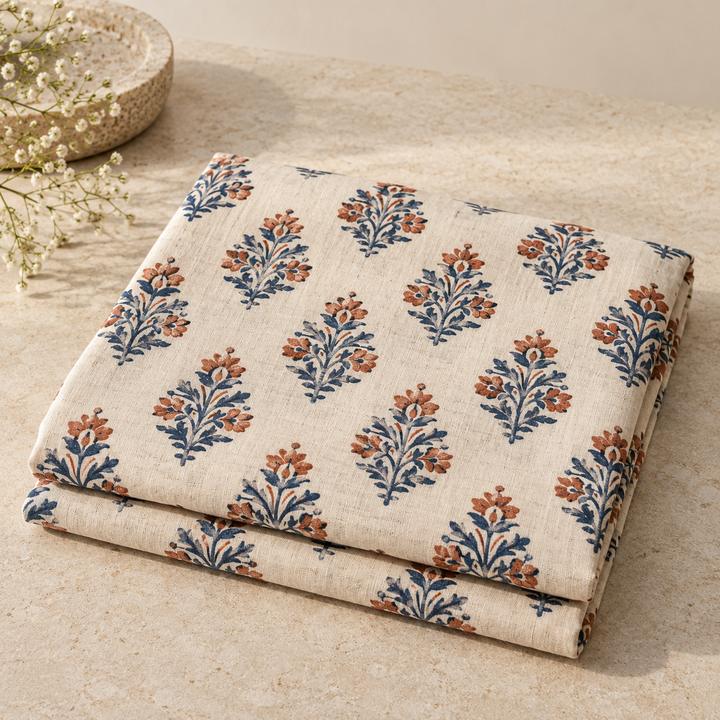
Hand block-printed cotton 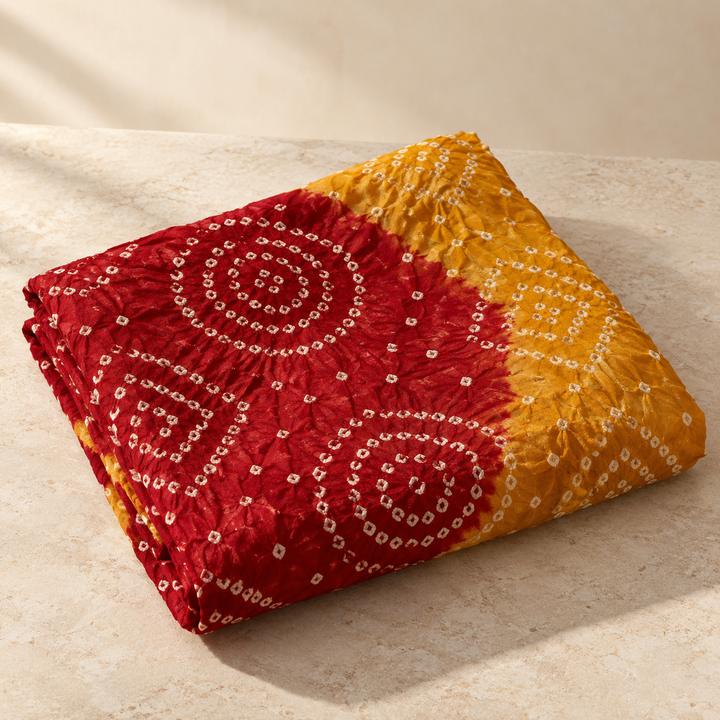
Bandhani 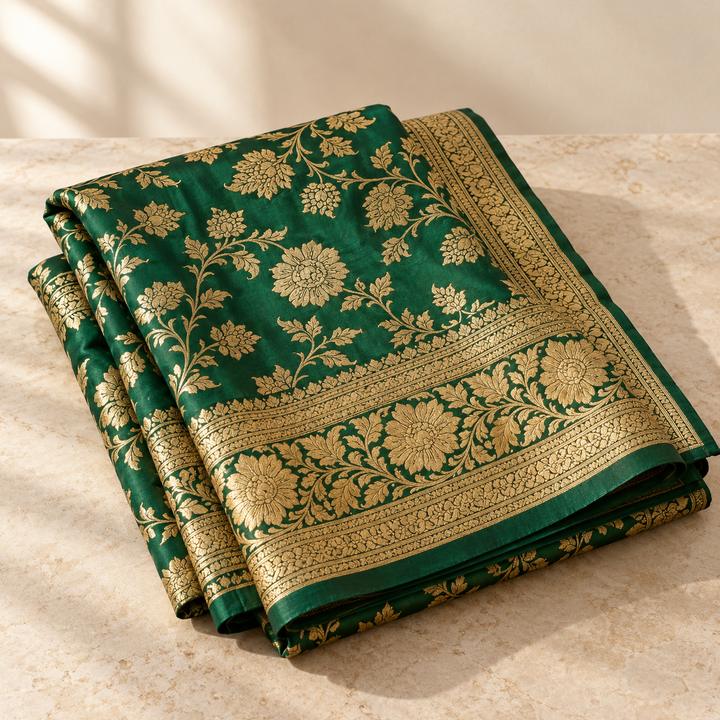
Banarasi silk 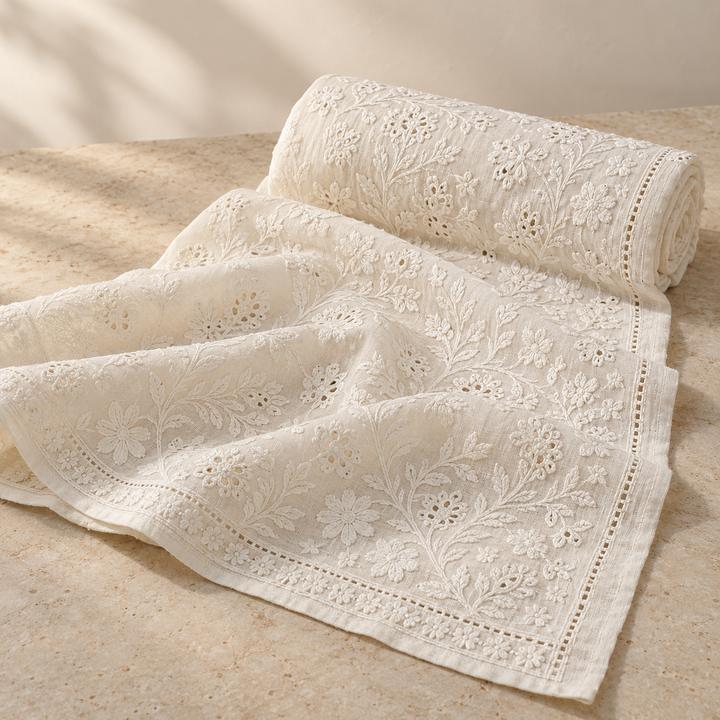
Chikankari 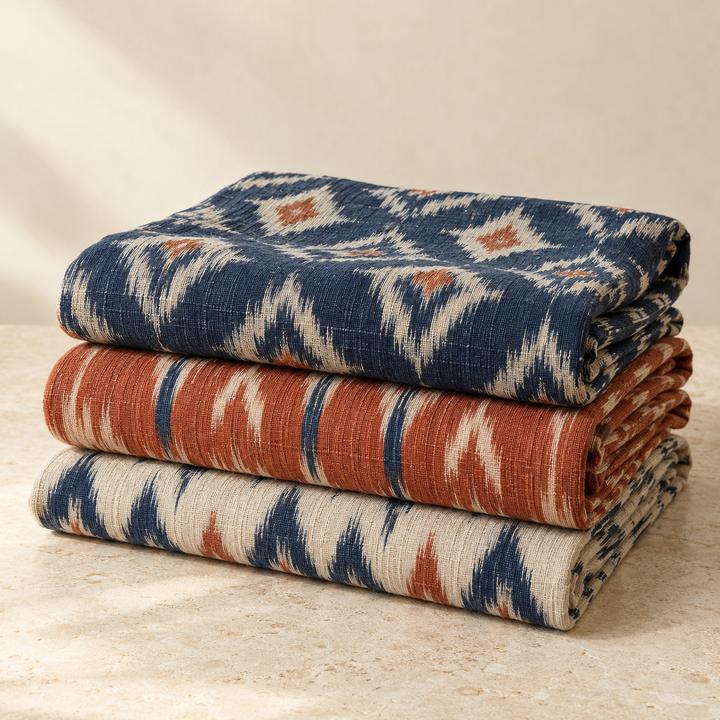
Ikat


| Product | Where it is made | What to ask |
|---|---|---|
| Hand-knotted rugs | Bhadohi and Mirzapur (Uttar Pradesh), Jaipur, Kashmir | Knots per square inch, fibre, dyes, labour standards |
| Tufted rugs | Bhadohi, Panipat | Fibre, backing type |
| Dhurries (flat-woven) | Panipat, Rajasthan | Cotton or wool, sizes, reversible or not |
| Pashmina shawls | Kashmir | Fibre content in writing, hand or machine woven |
Rugs and shawls: illustrated examples
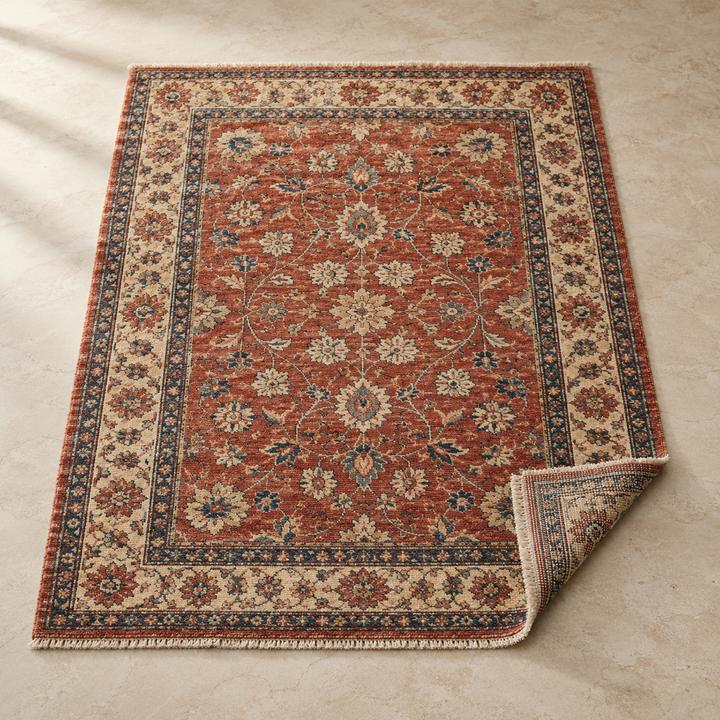
Hand-knotted rug 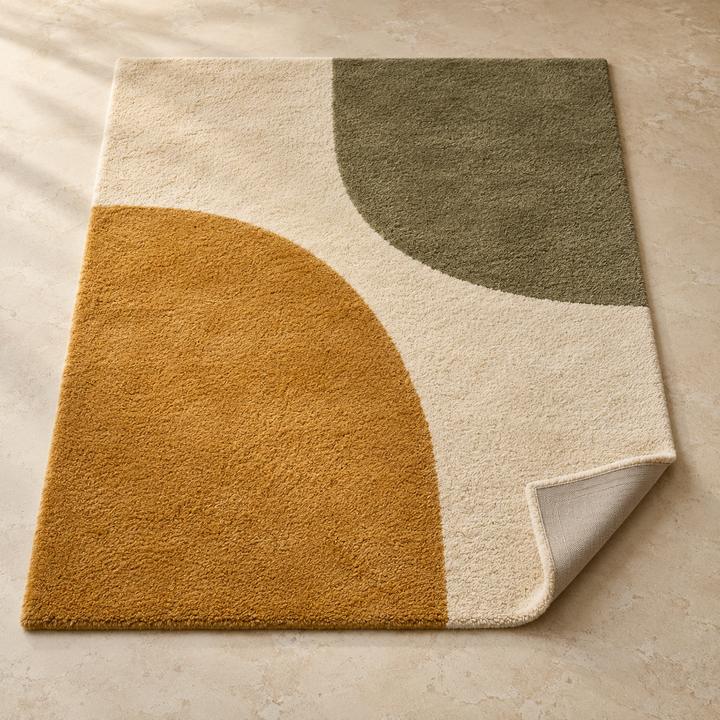
Tufted rug 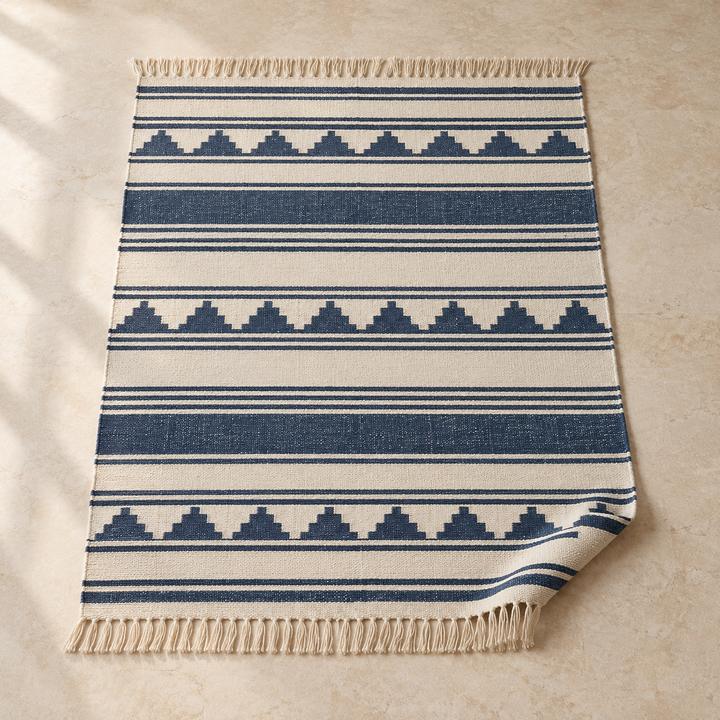
Dhurrie 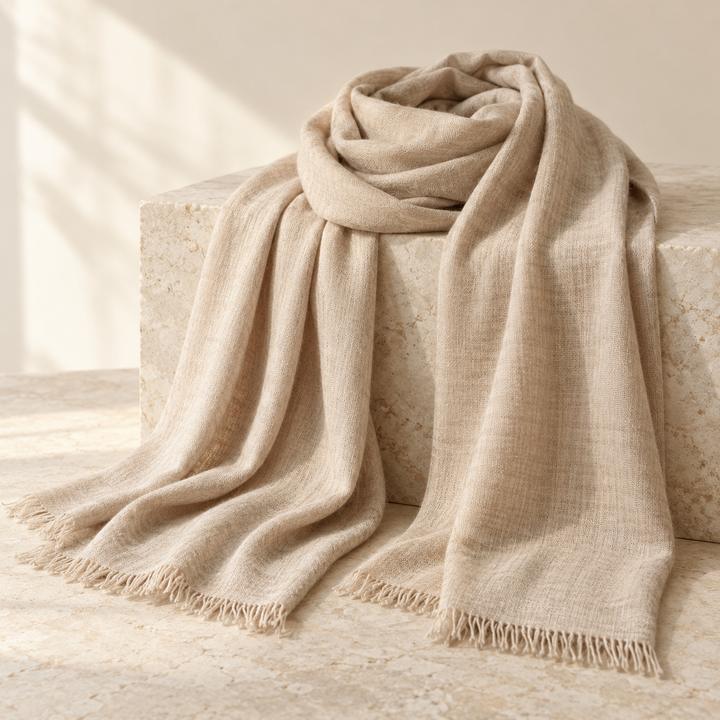
Pashmina shawl


| Product | Where it is made | What to ask |
|---|---|---|
| Brass and bronze | Moradabad (Uttar Pradesh) | Alloy, finish, weight per piece |
| Blue pottery | Jaipur | If used with food: lead test on the glaze |
| Inlaid marble | Agra | Type of stone, packing for fragile pieces |
| Carved wood | Saharanpur, Rajasthan | Wood species, treatment, finish |
| Papier-mâché | Kashmir | Hand-painted, packing |
| Leather footwear (juttis, Kolhapuris) | Rajasthan, Maharashtra | Leather type, sizes, tanning |
Handicrafts: illustrated examples
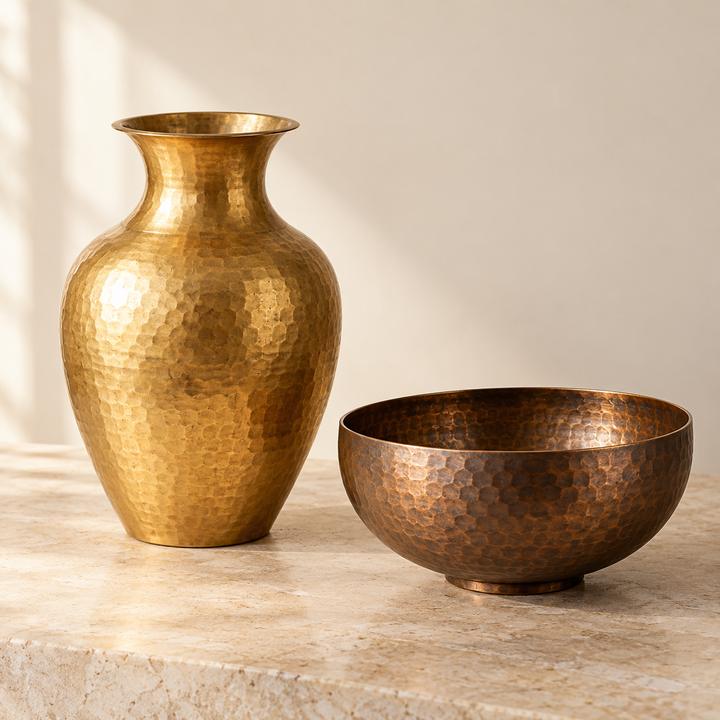
Brass and bronze 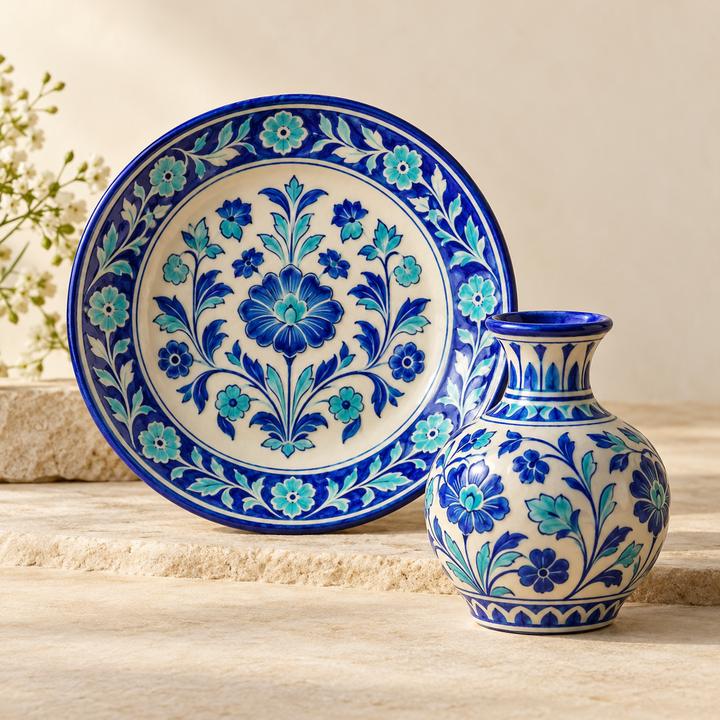
Blue pottery 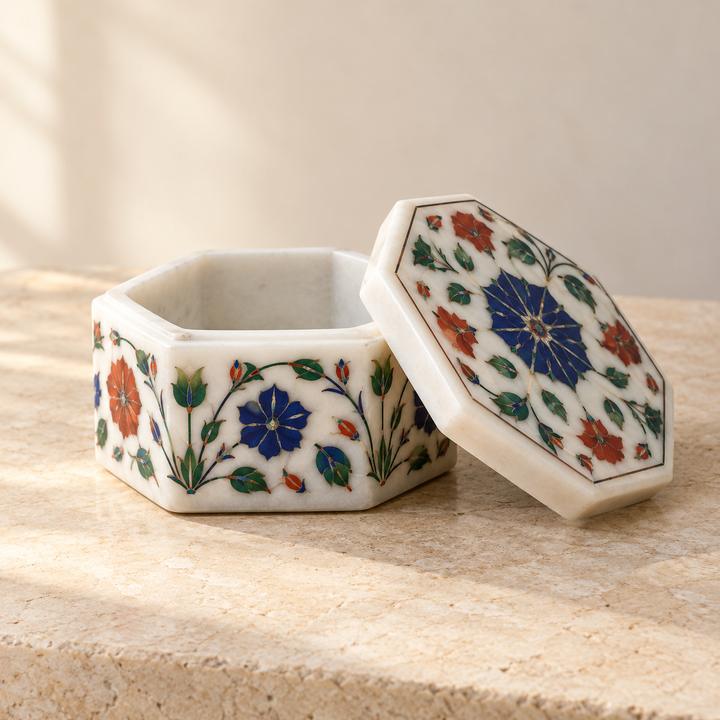
Inlaid marble 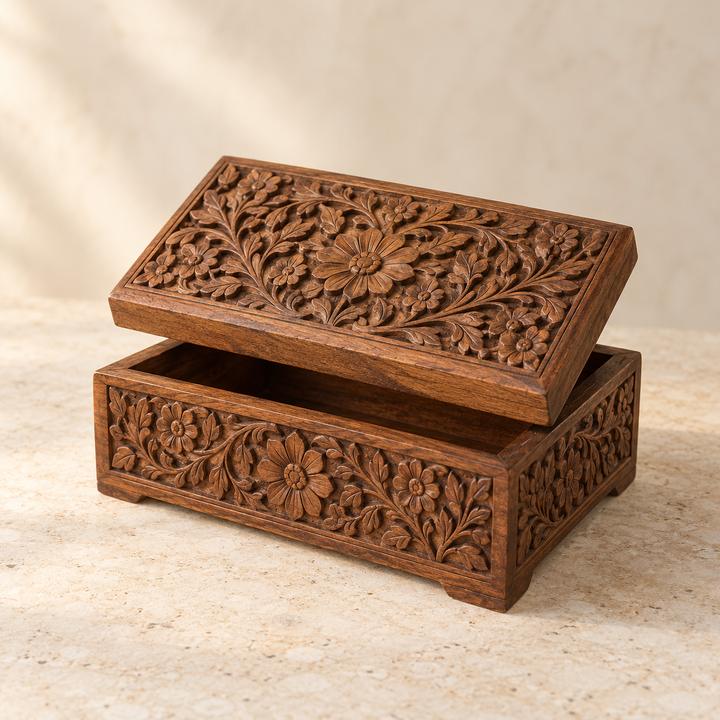
Carved wood 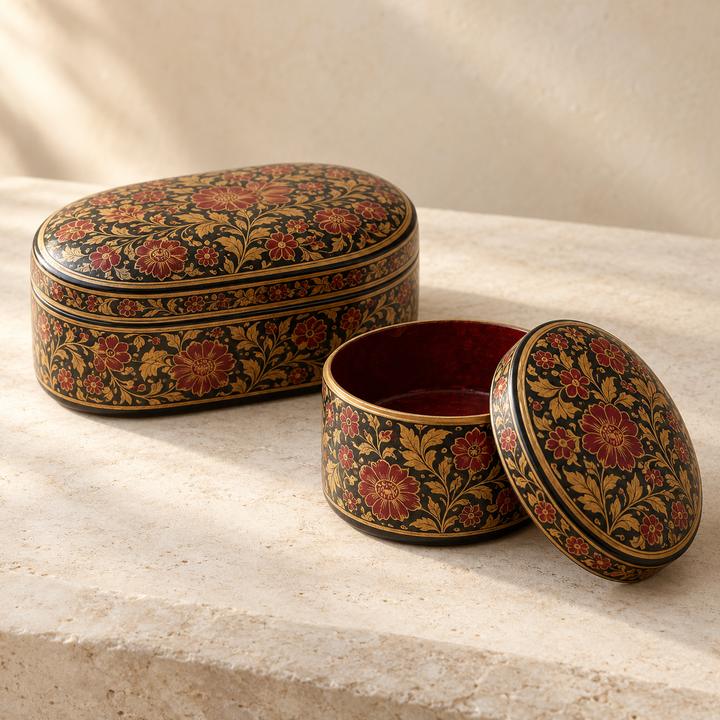
Papier-mâché 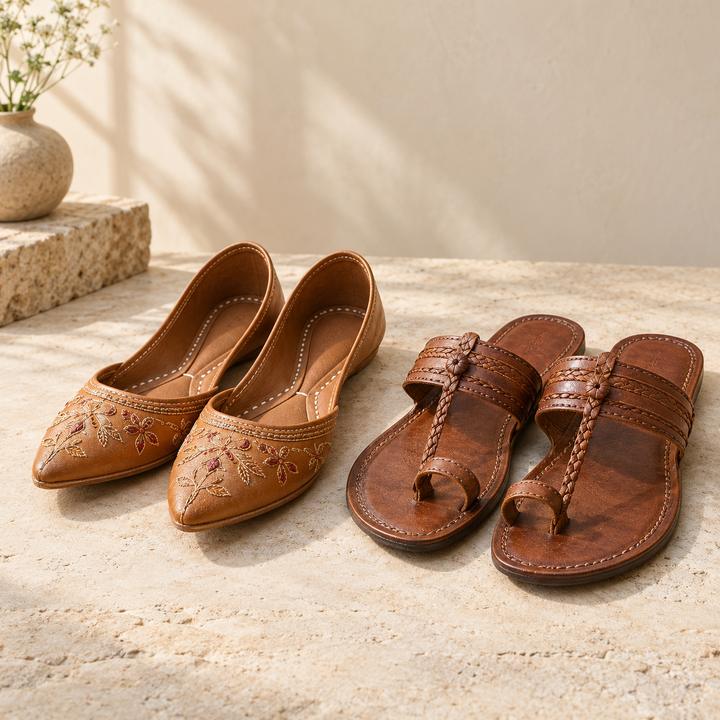
Leather footwear


Many of these crafts carry a geographical indication (GI) in India, such as Jaipur blue pottery, Sanganer and Bagru prints, Banarasi silk and Kashmir pashmina. A GI protects the name of origin; if you use it in your marketing, ask the supplier to confirm the product qualifies.
Pashmina: what to know
Genuine pashmina is the fine wool of the Changthangi goat from the high plateaus of Ladakh, spun and woven in Kashmir. It is expensive and scarce, and much of the "pashmina" on sale is really a blend with silk, wool or viscose. That's fine if it is sold as a blend, but not if it is sold as pure pashmina.
- Ask for the fibre content in writing in the specification and, for larger lots, a lab test.
- In the USA and Mexico the label must state the real fibre content; in Mexico, textile labelling follows NOM-004-SE-2021.
- Never buy shahtoosh: it is made from the wool of the Tibetan antelope, a protected species, and trading it is banned.
Rugs: hand-knotted, tufted or flat-woven
- Hand-knotted: every knot is tied by hand. Knot density (per square inch) is the most common quality measure. They are the slowest to make and the most expensive.
- Tufted: yarn is pushed into a backing cloth with a tufting gun and fixed with a glued backing. They are quicker and cheaper.
- Dhurries and kilims: flat-woven, with no pile; light and often reversible.
Ask about the workshop's labour standards too; independent certifications such as GoodWeave exist. If you sell in the USA, rugs must meet the CPSC's flammability standards.
What can't be exported
Some pieces seen in tourist markets can't legally leave India, or can't enter your country:
- Products from protected species: ivory, shahtoosh and parts of other protected animals and birds.
- Red sanders (red sandalwood), whose export is prohibited.
- Antiques: in India, objects more than a hundred years old can't be exported without official permission.
If a seller says a piece is "antique" or "ivory", ask for documents or don't buy it.
Rules in your country
- Textiles: labels with fibre content, country of origin and care instructions. In the USA, the FTC's textile and wool labelling rules; in Mexico, NOM-004-SE-2021.
- Ceramics for food: if plates or cups will be used with food, ask for a lead-release test on the glaze; many markets require it.
- Wood: some wooden crafts need fumigation or a phytosanitary certificate, and packing pallets and crates must carry the ISPM 15 mark.
- Rugs in the USA: the CPSC's flammability standards.
Your customs broker confirms the tariff code and requirements for each product. The general steps for importing into Mexico are in how to import herbs from India into Mexico, and they apply to handicrafts too.
How we handle a handicrafts order
Our core business is herbs, spices and ritual products. We handle handicrafts and textiles as sourcing requests:
- You send us the product, photos or references, the quantity, the material and your market.
- We tell you whether we can supply it before we quote.
- If we can, we send samples and a written specification: materials, sizes, finish and packing.
- We check production against the approved sample before shipment.
- If you also buy herbs or incense, we consolidate everything in one shipment, with documents for each product.
Handmade pieces vary slightly from one to the next: that is part of their value, and we make it clear in the specification. Tell us what you're looking for.
Frequently asked questions
How can I tell if a pashmina is genuine?
Ask for the fibre content in writing and, for larger lots, a lab test. Much of the "pashmina" on the market is a blend with silk, wool or viscose. Kashmir pashmina has a geographical indication in India, and in the USA and Mexico the label must state the real fibre content.
What is shahtoosh and why can't it be bought?
It is a shawl made from the wool of the Tibetan antelope, a protected species. Trade in it is banned under CITES and India's wildlife law. If anyone offers you shahtoosh, don't buy or import it.
What is the difference between a hand-knotted and a tufted rug?
In a hand-knotted rug every knot is tied by hand on the warp, and knot density shows its quality; it is slower and costs more. A tufted rug is made with a gun that pushes yarn into a backing cloth, glued from behind; it is quicker and cheaper.
Can you ship handicrafts together with herbs and incense?
Yes. We can consolidate handicrafts, textiles, herbs and incense in one shipment, each product packed separately with its own documents.
Is there a minimum order for handicrafts?
We don't set a minimum, but many artisans work in batches and production takes longer than for a catalogue product. We confirm quantity, timing and price in the quotation.
Do wooden handicrafts need anything special?
Often, yes. Some countries require fumigation or a phytosanitary certificate for wood, and wooden pallets and crates used for packing must carry the ISPM 15 treatment mark. Confirm with your customs broker.
Importing from India?
Send us the product, quantity and destination port. We reply with a written specification and price.
 APEDARCMC/APEDA/27884/2025-2026
 FSSAI licence12226999000177
 Seed licenceSS/2025-26/41276
 FIEOMember